IELTS 7.5 Band in 30 Days: My Plan (2025 Update)
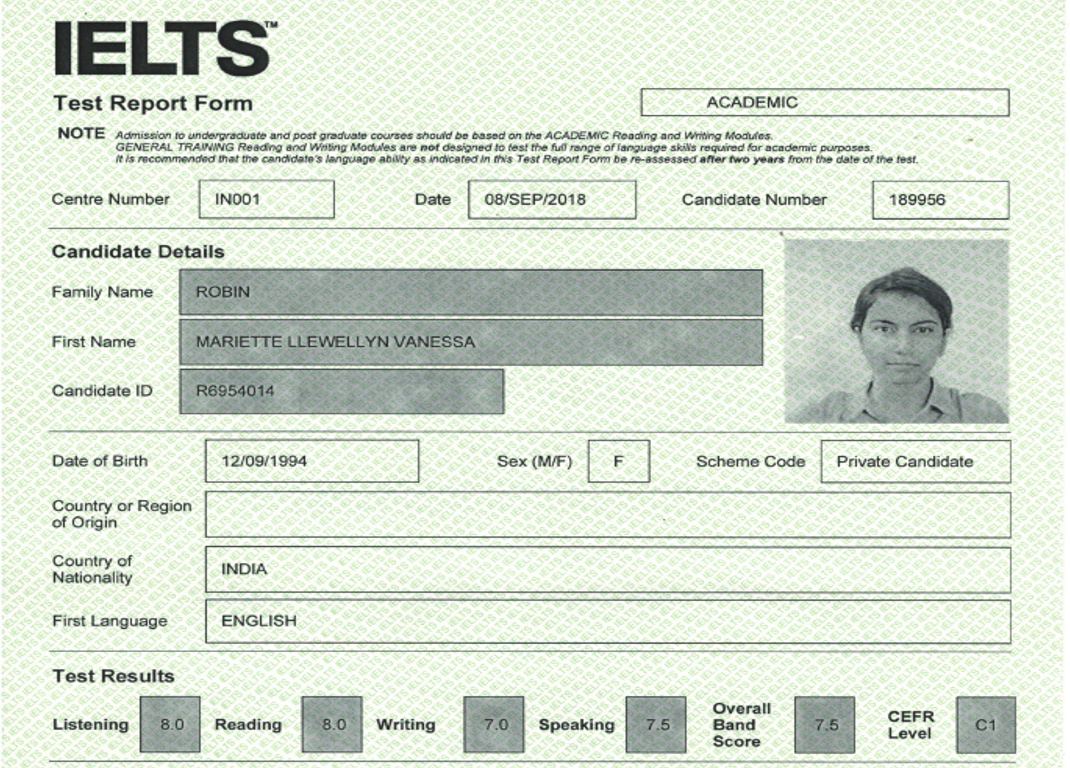
If you’re looking to crack IELTS with a solid score in just 30 days, this post is for you! When I was preparing, I struggled to find a concise yet effective study plan. So, here’s a guide detailing exactly what I did to score 7.5/9 in 30 days, and how you can follow the same steps.
This is not a tutoring or training post; rather, it’s a personal account of my journey with useful links and resources where I found my study material. I didn’t want to spend more money than the registration fee (around ₹12.5k, which is already hefty), so I went through an entirely self-directed approach.
I registered for the IELTS exam with the British Council (on August 01, 2018) for a test date on September 8, 2018. That gave me exactly five weeks. After receiving the study booklet and CD from the British Council (about 4-7 days post-registration), I set out to work.
Week 1: Understanding the Format & Finding the Right Resources
During the first week, I spent about an hour or two every evening after work, simply familiarizing myself with the IELTS format and practicing small tasks. YouTube was my best friend during this time, and I found several channels that helped me tremendously:
- E2 IELTS
E2 IELTS YouTube Channel
This channel was perfect for getting my understanding of each task right. Jay’s explanations were clear, and I could follow along while solving the practice papers with him. His approach to each task made the complex sections more manageable. - IELTS Liz
IELTS Liz YouTube Channel
Liz’s channel was instrumental in improving my pronunciation. She has great task explanations and also videos on paraphrasing—a vital skill for the writing task. - Manjita Osta
Manjita Osta YouTube Channel
This channel gave me insights on vocabulary expansion and strategies to improve communication skills. She covers all the tasks in detail.
I also downloaded the British Council IELTS app to practice solved papers, though it was not the most useful app. Still, I solved a few for fun and familiarity with the exam format.
By Friday of the first week, I realized I was struggling with stammering during the speaking section. That was my primary weakness, so I set out to fix it.
Week 2: Focusing on Speaking
For the next five days, I focused entirely on improving my speaking skills. I watched more videos and created a list of common speaking topics and questions (around 50-70). For each question, I made notes with 2-3 points to help me structure my answers, in case I went blank during the exam.
I reached out to my cousin (who works in writing) and a friend to go over these questions. We brainstormed ideas for each topic, and they provided me with some great stories I could use as examples. This exercise greatly reduced my stammering, and by the end of the week, I was much more confident in speaking.
Week 3: Reading & Writing Practice
In week three, I began working through the papers from the booklet I received from British Council. I was doing well in the listening section, so I focused on reading and writing, both of which were holding me back.
For reading, I noticed that I had a habit of reading too quickly, which caused me to zone out. So, I started practicing a new approach: reading the questions first, then moving on to the passage and looking for keywords from the questions. This trick helped me focus and improved my reading speed without missing important information.
For the writing task, I timed myself while completing essays. Even though I’m comfortable with writing, I found that the timing was challenging. I recommend that you practice writing essays within a set time limit, as it helps with structuring your ideas faster.
You can use the IELTS Writing App for additional practice:
Download the IELTS Writing App
Week 4: Taking a Break (Mental Recharge)
By the fourth week, I was mentally exhausted from non-stop studying. So, I took the entire week off from intensive IELTS practice. I watched English movies, read books, and did anything that helped me improve my English without focusing directly on the test. This break was essential for me to recharge and avoid burnout.
Week 5: Final Push – Full Practice
After my week off, I was ready to jump back into full preparation. In the final week, I solved one full IELTS paper per day, covering all tasks and timing myself. Initially, I struggled to complete the tasks within the allotted time, but by the fifth day, I had improved significantly.
I also spent a couple of days going over useful vocabulary, which is crucial for both the speaking and writing tasks. I used the following apps to review vocabulary:
- IELTS Speaking App – Download it here
- IELTS Writing App – Download it here
I didn’t take any study material to the exam center, except my phone (which I had to leave outside the test room). I found that reviewing vocabulary was the last-minute preparation I needed.
Exam Day: Tips for Success
On the day of the exam, I felt prepared and confident. One important tip is to use the bathroom before the exam starts. It’s a long exam, and you won’t be allowed to leave midway. Make sure you’re comfortable and hydrated before you enter the test room.
Quick Recap of My 30-Day Plan:
- Week 1: Familiarize yourself with the format using YouTube channels like E2 IELTS, IELTS Liz, and Manjita Osta.
- Week 2: Focus solely on improving your speaking skills. Use vocabulary sheets and brainstorm answers with friends.
- Week 3: Work on reading and writing. Practice time management and learn how to improve speed and accuracy.
- Week 4: Take a break from formal study—watch English movies, read, and relax your brain.
- Week 5: The final push—practice solving full papers and review important vocabulary.
I hope this plan works for you as it did for me. If you have any questions, feel free to drop them in the comments. Good luck! 😊
P.S. To all the smarty-pants who want proof, here you go! 😜
 Girl With Four Names
Leave a Reply