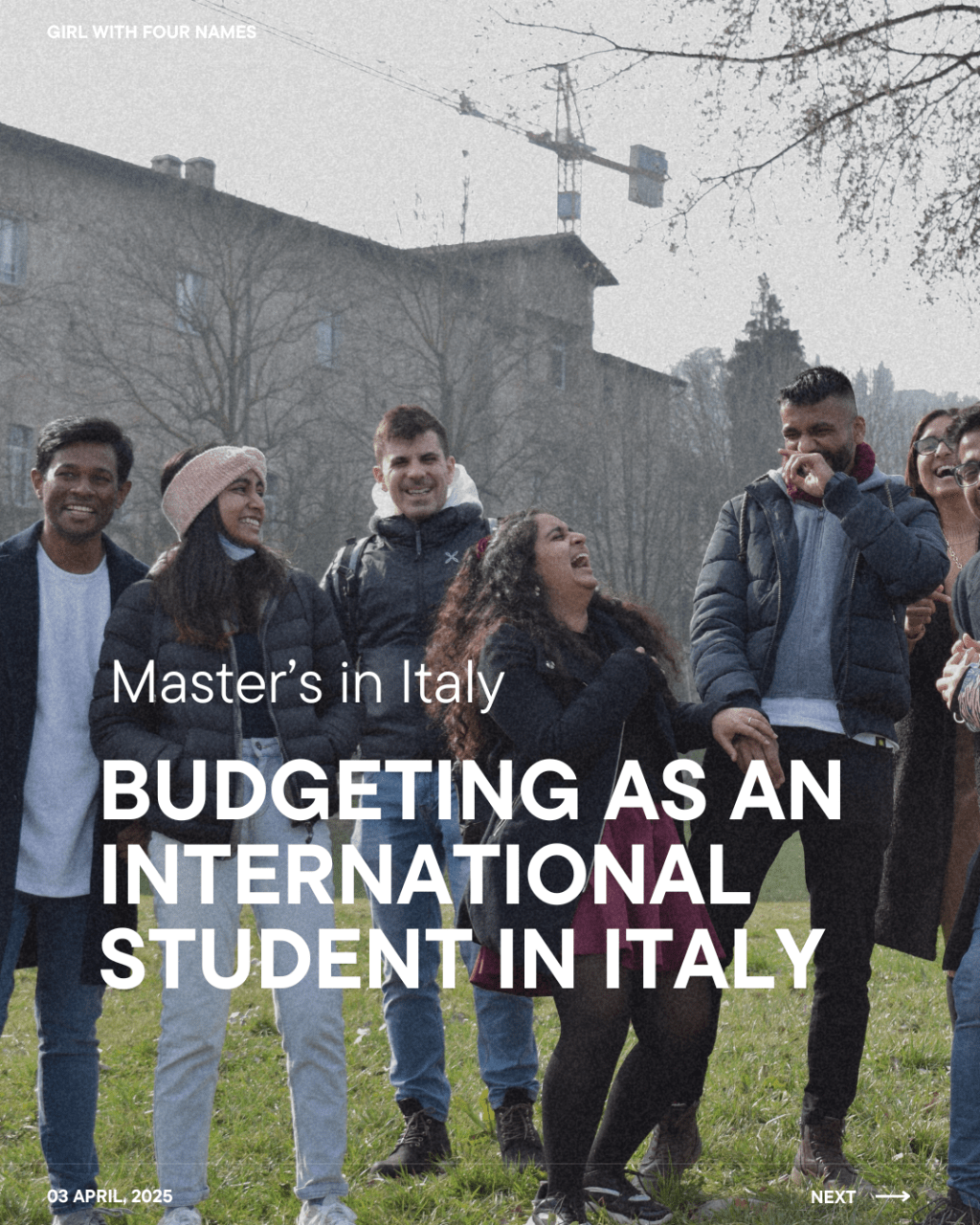
Moving to Italy as an international student is an exciting adventure, full of delicious food, beautiful architecture, and endless opportunities. But, let’s be real: your budget can disappear faster than a plate of pasta at an Italian family gathering. From rent to groceries, transportation to the occasional aperitivo, the costs can add up quickly.
Having lived in Italy for five years, I’ve learned a thing or two about making my euros stretch while still embracing la dolce vita. If you’re heading to Italy for your studies (or are already there and wondering where all your money went), here’s a real breakdown of the cost of living along with some budget-friendly hacks to help you survive and thrive!
Cost of Living in Italy as a Student (2025 Update)
Your monthly expenses will depend a lot on the city you choose to live in. Major cities like Milan, Rome, and Florence can be pricey, while cities like Bologna, Turin, and Naples are more affordable. Here’s a rough estimate of what you might be spending each month:
| Expense | Estimated Cost |
|---|---|
| Rent & Utilities | €250 – €700 (shared apartment or student housing) |
| Groceries | €150 – €250 |
| Transportation | €25 – €35 (monthly public transport pass) |
| Eating Out & Coffee | €50 – €150 |
| Miscellaneous (Phone, Entertainment, Shopping) | €50 – €100 |
Budgeting Tips & Hacks for International Students in Italy
1. Find Housing That Won’t Break the Bank
Rent will likely be your biggest expense, but there are ways to make it manageable:
- Student Residences or University Housing: These can be more affordable, and some may even include utilities. Check with your university for options, which provides affordable student housing in many cities.
- Sharing an Apartment: A stanza singola (single room) gives you privacy, but you can save even more by opting for a posto letto (bed in a shared room). Websites like Spotahome and Uniplaces offer affordable shared accommodation listings.
- Live Just Outside the City: If you’re studying in Milan or Rome, consider living on the outskirts and commuting. Public transport in Italy is reliable and affordable, so a short commute could save you hundreds each month.
Pro Tip: Always check whether utilities (spese condominiali) are included in the rent. Heating bills during winter can be a nasty surprise!
2. Grocery Shop Like a Local
Supermarkets like Lidl, Eurospin, and Conad offer great deals and are your best friends when you’re trying to stretch your grocery budget. Don’t forget to check out local open-air markets for fresh produce. Go towards closing time, and you might get some items at a reduced price.
Bonus Hack: Check out the sconto (discount) section in supermarkets. I once got mozzarella at 50% off because it was near its expiration date. It was still perfectly fine, and my pasta was top-notch that week!
3. Milk Those Student Discounts
Make sure you always have your university ID with you. Many places offer student discounts, including museums, transportation (e.g., Trenitalia’s Carta Verde for under-26 students), and even cafes. Public transport passes are generally cheaper for students, so be sure to ask your university about regional discounts.
- For train travel discounts, get the Trenitalia Carta Verde for under-26s. It offers great savings on national train tickets.
- Explore student discounts on UniDays, an app and website that offers discounts on various brands and services.
4. Cook More, Eat Out Smartly
Eating out in Italy is tempting, after all, the food is amazing, but it can seriously impact your budget if you’re not careful. Learn to cook some basic Italian dishes, pasta aglio e olio costs less than €2 per meal, and it’s ridiculously easy to make.
When you do eat out, do so strategically:
- Aperitivo: For around €8-€12, you can enjoy a drink and an unlimited buffet, which is a great deal.
- University Cafeterias (Mensa): Many universities have affordable cafeterias where you can grab a meal for as little as €5-€8.
- Lunch Specials: Look for pranzo di lavoro deals (typically around €10) for a filling meal at lunchtime.
- Avoid touristy areas when eating out, they love charging €5 for a cappuccino that’s usually overpriced.
5. Public Transport > Taxis
Save money on transport by using a student pass for the metro, bus, or tram, instead of buying single tickets every day. Some cities (like Bologna and Ferrara) are bike-friendly, so consider buying a second-hand bike. It’s a one-time investment that saves you money in the long run and keeps you fit.
If you plan on traveling around Italy, booking train tickets in advance is a great way to save. Trains like Italo or regional trains tend to be cheaper than the high-speed Frecciarossa.
- For more information on train travel and discounts, check out Italo Treno or Trenitalia.
6. Social Life Without the Splurge
Italy is bursting with free or low-cost activities. From free museum entry days to student-organized events, there are plenty of opportunities to enjoy yourself without blowing your budget. Instead of spending all your money at bars, grab a bottle of wine or some drinks from the supermarket and have a bottellón (open-air drink session) with friends in the piazza, it’s cheaper, more fun, and 100% Italian!
You can also find free events and festivals happening around Italy through Eventbrite or local university event pages.
Additional Cost-Saving Tips for International Students in Italy
- Student Discount Websites and Apps: Use websites like UniDays and ISIC to find discounts on everything from fashion to travel.
- Phone Plans: Choose local providers like Wind, Vodafone, or TIM, which offer affordable student plans. It’s better to get a local SIM card than pay international roaming charges. Visit TIM Italia for details on student plans.
- Laundry: Save money by using self-service laundromats or doing laundry at your student residence. Some university residences offer free laundry services for students.
- Health Insurance: As an international student, you are required to have health insurance. Check if your university offers a group health insurance plan or if you’re eligible for Italy’s public healthcare system (SSN). You can apply for SSN coverage through Cittadini Stranieri for the national health system in Italy.
Final Thoughts: Living La Dolce Vita on a Budget
Budgeting as an international student in Italy doesn’t mean you have to say goodbye to fun, it’s about being strategic with your money so you can enjoy your time in Italy without financial stress. Whether it’s savoring pasta, gelato, or enjoying a weekend trip to the countryside, you can still experience la dolce vita on a student budget.
Remember: Planning ahead, being savvy with your money, and enjoying the simple pleasures of Italian life (like a good espresso or a sunset in the piazza) are all part of the experience.
So, go ahead and make the most of your time in Italy! Buona fortuna with your studies and budgeting. 😊


Leave a Reply